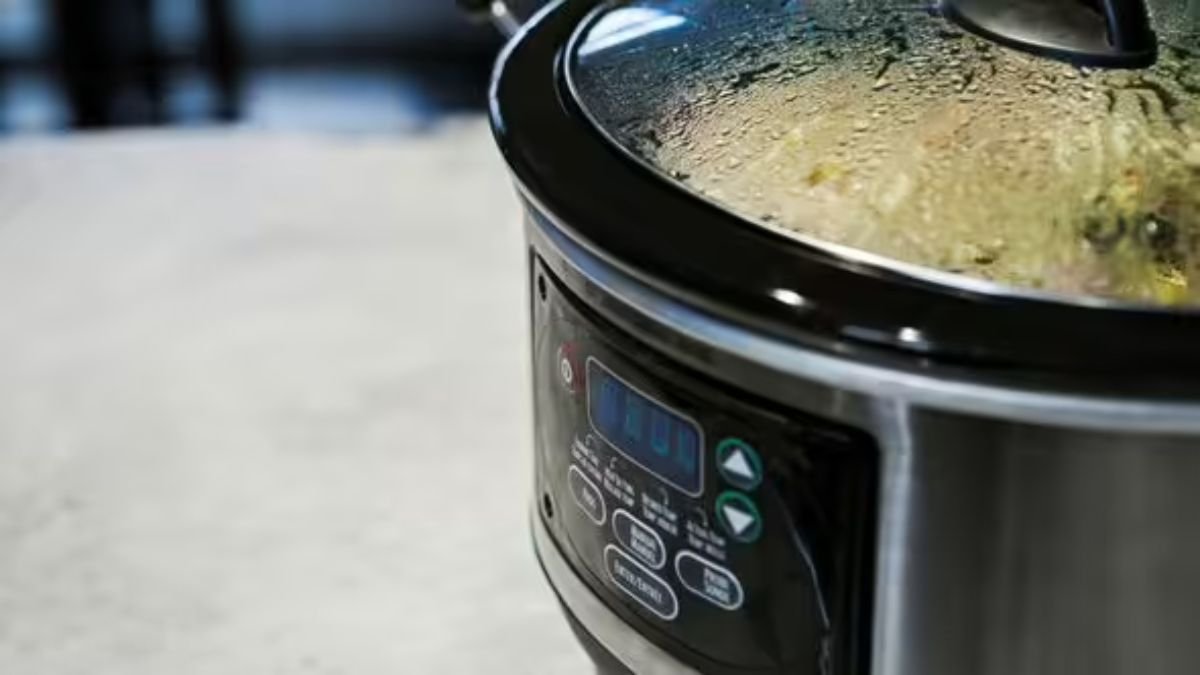
Imagine coming home to the aroma of a perfectly simmered stew after a long day, all thanks to your trusty slow cooker. These appliances have become indispensable in UK kitchens, simplifying meal preparation for busy families. However, with Ofgem’s energy price cap update from April 1, weekly users could see £23.09 in yearly running costs—let’s break down what this means and how to stay ahead.
Navigating Ofgem’s New Energy Price Cap

Ofgem, the UK’s energy regulator, is adjusting the energy price cap starting April 1, setting the unit rate at 24.67 pence per kWh for standard variable tariffs paid by Direct Debit. This applies to households across England, Scotland, and Wales, including 5% VAT.
The update promises average annual savings of about £150 for typical usage, offsetting costs from discontinued environmental schemes now covered by taxes. Daily standing charges drop to 57.21 pence, handling fixed network fees irrespective of consumption.
For slow cooker owners, this recalibration highlights precise appliance expenses. Understanding these shifts empowers better budgeting amid fluctuating energy markets.
The Rise of Slow Cookers in Modern UK Homes
Slow cookers offer unmatched convenience, transforming simple ingredients into gourmet meals over low heat. Perfect for stews, roasts, or chilies, they require just morning prep and evening enjoyment, ideal for professionals and parents alike.
Operating at low temperatures for 6-8 hours, they retain nutrients and intensify flavors without supervision. Their surge in popularity stems from this hands-off approach in fast-paced lifestyles.
Efficiency data shows average models consume 200W to 250W, far less than ovens. This positions slow cookers as smart, economical choices during utility price volatility.
Detailed Breakdown of Slow Cooker Energy Costs
Curious about the real financial hit? Based on typical weekly use—eight hours at 225W average power—the calculations reveal straightforward costs under the new rates.
Step-by-Step Calculation Guide
The formula for kWh usage is simple: (Wattage × Hours) ÷ 1,000.
For one session: (225 × 8) ÷ 1,000 = 1.8 kWh. Multiply by the unit rate: 1.8 × 24.67 pence = 44.41 pence.
Annually, with 52 sessions: 44.41 pence × 52 = £23.09. This affordable total proves slow cookers won’t strain budgets, especially versus eating out.
Slow Cooker vs. Oven: Efficiency Showdown
Is an oven a viable alternative? Not quite—electric ovens draw 2,000W to 5,000W, dwarfing a slow cooker‘s power.
An eight-hour oven session could cost £2 to £5, pushing yearly totals over £300. Slow cookers excel with consistent low energy, avoiding wasteful preheating.
| Appliance | Avg Power (W) | 8-Hour Cost (p) | Annual (52x, £) |
|---|---|---|---|
| Slow Cooker | 225 | 44.41 | 23.09 |
| Electric Oven | 3,500 (avg) | 692.18 | 359.73 |
This comparison underscores potential savings exceeding £300 annually by favoring slow cookers.
Proven Tips to Slash Slow Cooker Running Costs
Optimize your usage for even greater efficiency with these strategies:
- Select the ideal capacity: Opt for 3-4L models for smaller households to cut power draw; scale up for families.
- Layer ingredients wisely: Vegetables first, then meat, ensuring uniform cooking and no excess energy.
- Prep in advance: Dice components overnight to shorten active cooking time.
- Insulate post-cook: Towel-wrap the cooker to maintain warmth without restarting.
- Use smart tools: Timer plugs prevent overruns, while smart plugs track exact consumption.
Pair these with batch cooking or off-peak timing on flexible tariffs for maximum impact. Small changes yield big bill reductions.
Impact on UK Households and Future Outlook
This price cap adjustment provides relief amid global energy pressures, benefiting multi-appliance homes. For instance, air fryers might tally £126 yearly, emphasizing appliance-specific tracking.
Slow cookers stand out for delivering healthy, affordable meals. Monitoring via apps or plugs personalizes costs, keeping the £23.09 as a maximum, not average.
As adoption grows, these insights foster informed decisions. Stay updated on Ofgem announcements for ongoing advantages.
In summary, slow cookers remain a winner under the new energy price cap, costing just £23.09 yearly for weekly warriors. They outpace ovens in savings and convenience, enhanced by smart tips. Integrate them into your routine, apply these hacks, and enjoy flavorful savings—your wallet and taste buds will thank you.