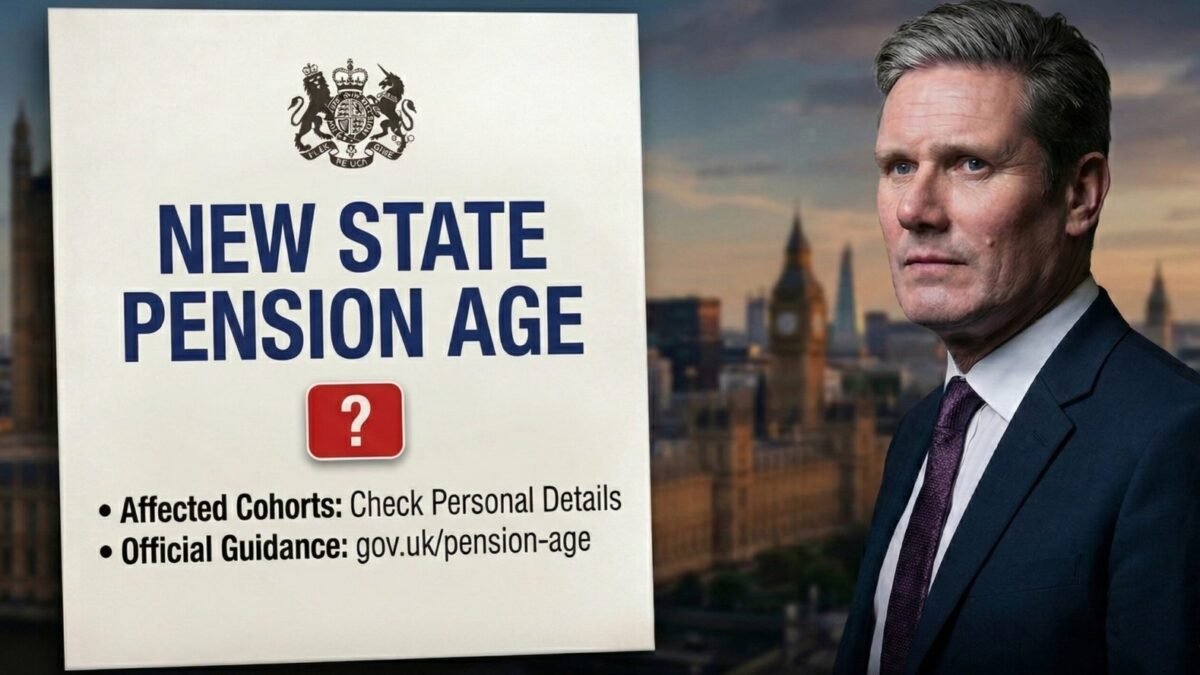
Generations of UK workers have dreamed of hanging up their tools at 65 or 67, stepping into a well-earned retirement backed by the State Pension. Yet, recent government confirmations are pushing this horizon further out, forcing millions to rethink their financial futures amid economic and demographic shifts. This policy pivot signals the end of retirement at 67, urging proactive planning for extended working years.
The accelerated rise in the State Pension age reflects broader pressures like soaring life expectancies and strained public finances. From entry-level employees to those counting down the days, everyone feels the ripple effects. Understanding these changes is crucial for safeguarding your nest egg and lifestyle.



The Key Drivers Fueling the State Pension Age Increase
At the core of this transformation is unprecedented human longevity. When the State Pension system launched over a century ago, post-retirement lifespans were brief. Today, advancements in healthcare mean many enjoy decades of retirement, placing immense pressure on National Insurance-funded payouts.
This shift has worsened the dependency ratio, where fewer working-age people support a growing retiree population. Policymakers view raising the pension age as essential for sustainability, matching it to healthier, more productive later years.
- Primary driver: Extended lifespans straining budgets.
- Economic reality: Balancing worker contributions with pension demands.
- Long-term goal: Aligning policy with modern demographics.
Healthcare triumphs have extended lives, but they’ve also amplified fiscal challenges. Without adjustments, the system risks collapse under the weight of prolonged payouts.
Understanding the Fiscal Strain from Longer Lives
Pensions were once short-term benefits; now, they fund extended retirements that can last 30 years or more. This evolution demands reforms to protect the Treasury from overload.
The move toward age 68 and higher acknowledges that many remain capable of working longer. However, it sparks debates on equity, as not everyone ages uniformly across professions or regions.
Government reviews highlight how demographic trends necessitate these hikes. By delaying access, more contributions flow in, bolstering the fund for future generations.
Timeline: Mapping Out the Confirmed Pension Age Changes
The path forward for the State Pension age is now crystal clear. Current laws schedule the full shift to 67 between 2026 and 2028, affecting those approaching that bracket soon.
More urgently, the rise to 68—previously slated for the 2040s—is accelerating. This will impact individuals born in the 1970s and early 1980s, compressing their retirement timelines unexpectedly.
- 2026-2028: Complete rollout to age 67.
- Mid-2030s onward: Acceleration to 68 for 1970s births.
- Future outlook: Possible further increases for younger generations.
For a 50-year-old today, this means three to five extra working years. It’s not just paperwork—it’s a fundamental recalibration of career endpoints and financial strategies.
Personal and Career Impacts for Mid-Life Workers
If you’re in your 40s or 50s, these announcements hit home hardest. Extra years on the job disrupt savings plans, family vacations, and even health routines built around an earlier exit.
Financial advisors recommend stress-testing budgets now. Diversify income streams and maximize contributions to private schemes to bridge the gap.
Disparities: Why Manual Jobs Face the Biggest Challenges
Uniform age increases ignore occupational realities. Desk jobs might extend easily to 68, but manual roles in construction, nursing, or manufacturing accelerate physical decline.
Healthy life expectancy differs sharply by job type and postcode. Workers in deprived areas often face illnesses by their early 60s, rendering full-time work impossible before pension eligibility.
- Core issue: Physical toll shortens productive years.
- Health risks: Chronic conditions pre-pension.
- Reform needed: Customized access tied to career demands.
Gender Inequities and Lessons from Past Changes
Women’s State Pension age alignment to men’s at 66 already ignited the WASPI protests. Career breaks and lower pay leave many with thinner private savings, heightening reliance on state support.
Further rises exacerbate pension poverty risks for women. Policies must incorporate gender-specific safeguards to ensure fairness.
Navigating the Triple Lock Amid Economic Pressures
The Triple Lock mechanism—tying annual pension uplifts to the top of inflation, earnings, or 2.5%—shields recipients but balloons costs in an aging society.
Raising eligibility ages offsets this by trimming immediate payouts while extending tax revenues from older workers. It’s a delicate balance between fiscal prudence and social welfare.
- Triple Lock benefit: Robust increases for current pensioners.
- Government gain: Savings in billions from delays.
- Potential pitfall: Elderly poverty if adjustments lag.
Critics warn of discontent if hikes outpace living standard gains. Transparent forecasting is key to maintaining public trust.
Strategies for Thriving: Phased Retirement and Private Pensions
The abrupt “cliff-edge” retirement model is obsolete. Phased retirement offers a smoother transition via part-time “bridge jobs” or consulting in your mid-60s.
Employers play a vital role by offering flexible hours, training, and anti-ageism policies. This retains wisdom while easing the burden on state systems.
The Rising Role of Private Pensions
With state aid deferred, private pensions and Auto-Enrolment become lifelines. Treat the State Pension as a baseline—plan as if yours starts at 70.
Early action empowers early exits if desired, funded by personal investments. Boost contributions today for compounded growth tomorrow.
Mental Health, Societal Adaptation, and Future Outlook
Prolonged uncertainty chips away at morale. Retirement represents freedom; postponing it fuels anxiety, particularly among Millennials and Gen Z wary of system solvency.
Society needs multi-phase careers: upskilling at 45, breaks at 55, light duties past 70. Advance notice—ideally 10 years—builds confidence.
- Health focus: Proactive care to extend working vitality.
- Education push: Lifelong training opportunities.
- Social value: Honor seniors’ contributions holistically.
In summary, farewell to retirement at 67 ushers in a new era for UK’s welfare landscape. Driven by inevitable demographics, these shifts demand tailored fairness for varied lives. Embrace private savings, flexible careers, and policy advocacy to turn extended working years into opportunities for fulfillment and security. How will you pivot?