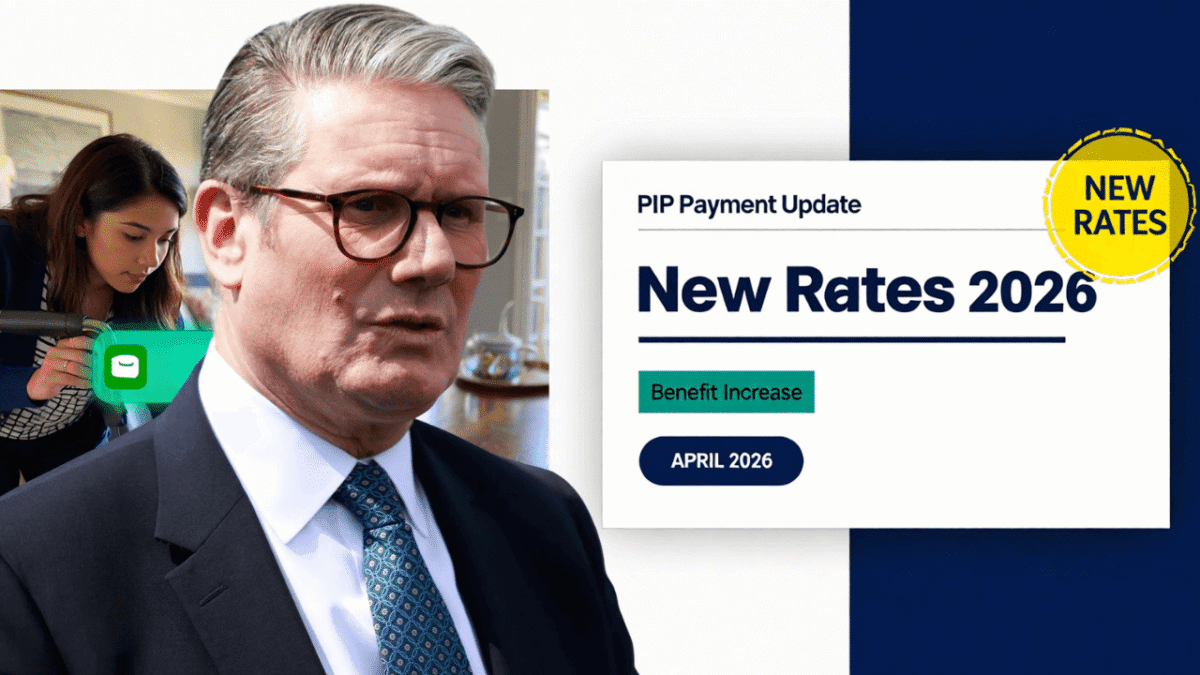
In the dynamic world of UK welfare, the Department for Work and Pensions (DWP) has just confirmed exciting updates to PIP payment rates starting April 2026. These changes offer crucial financial relief for millions facing long-term health issues or mobility limitations amid soaring living costs. This guide breaks down everything you need to know, from eligibility to real-world impacts, empowering you to navigate these enhancements effectively.
Understanding the Essentials of Personal Independence Payment (PIP)



Personal Independence Payment (PIP) is a vital non-means-tested benefit designed for people aged 16 to State Pension age. It supports those with physical or mental health conditions that substantially affect daily living or mobility, delivering tax-free cash to cover extra expenses.
Unlike other benefits tied to income, PIP focuses purely on the extra challenges disabilities bring—like home adaptations, specialist transport, or daily care needs. This makes it an essential lifeline for maintaining independence and dignity.
Key Features That Make PIP Stand Out
PIP’s structure prioritizes individual needs over medical diagnoses, offering flexibility regardless of employment status. Here’s what sets it apart:
- Non-contributory: No need for National Insurance history.
- Long-term support: Targets conditions lasting at least 12 months.
- Annual uplifts: Automatically adjusted for inflation to keep pace with rising costs.
Claimants often channel these funds into therapies, mobility aids, or professional help, transforming daily struggles into manageable routines.
Why PIP Payment Rates Get Annual Updates
The DWP adjusts PIP rates yearly to counter inflation, using benchmarks like the Consumer Prices Index (CPI). This ensures payments retain their value against climbing prices for essentials like energy, groceries, and medical supplies.
April signals the new financial year, a prime time for these boosts. It aligns with budgeting cycles, giving claimants a fresh start as costs stabilize post-winter.
Historical patterns reveal steady rises, safeguarding vulnerable groups. For April 2026, these tweaks underscore the government’s dedication to sustainable welfare amid economic pressures.
The Real-World Impact of Rate Increases
Beyond figures, these hikes deliver practical relief—easing budgets strained by appointments, equipment, or home mods. Families report less financial anxiety, better mental health, and improved quality of life.
Experts note that timely adjustments prevent poverty traps, allowing focus on recovery rather than survival.
Breaking Down PIP’s Two Main Components
PIP splits into daily living component and mobility component, each with standard and enhanced rates based on need levels. This tailored approach matches support to specific challenges.
The daily living element covers preparing food, washing, dressing, therapy management, and engaging socially. It’s indispensable for those needing prompts or assistance at home.
Mobility aids with journey planning, physical movement, and route following—funding taxis, wheelchairs, or schemes like Motability for powered vehicles.
Standard vs. Enhanced Rates: What They Mean
- Standard rate: Supports moderate needs, like occasional aids or supervision.
- Enhanced rate: For severe cases requiring frequent help or constant prompts.
Combining both at enhanced levels yields the highest award, soon detailed in 2026 specifics. This claimant-centered model maximizes relevance.
How to Qualify for PIP: Eligibility and Assessment Process
Eligibility depends on how your condition affects 12 daily living activities and two mobility ones. A points-based system evaluates descriptors, awarding standard (8-11 points) or enhanced (12+ points) per component.
Assessments blend questionnaires, calls, or face-to-face with health pros. Bolster your case with GP notes, diaries, or care records for precision.
Proven Tips for a Strong PIP Claim
Success starts with detailed examples of struggles—time taken, aids used, and variability. Many overlook this, leading to under-awards.
- Detail specifics: “It takes 45 minutes to dress with back pain aids.”
- Appeal confidently: Tribunals overturn 70% of decisions.
- Review regularly: Conditions change, so reassess promptly.
Organizations like Citizens Advice provide free claim checklists and mock assessments.
Implementation Timeline for April 2026 Changes
New PIP payment rates activate April 2026, hitting four-weekly cycles soon after—late April or early May for most. DWP handles everything automatically via direct debit or cheques.
Check statements post-update; query via helpline if needed. This hassle-free rollout keeps disruptions minimal.
Anticipating Delays and Staying Prepared
While backlogs happen, priorities ensure swift processing. Online PIP accounts track histories and forecast payments seamlessly.
Pro tip: Update bank details now to avoid hiccups.
Broader Benefits and Financial Strategies
PIP opens doors to extras: Universal Credit extras, council tax discounts, Blue Badges, or Carer’s Allowance. Enhanced mobility unlocks Motability vehicles, revolutionizing travel.
Charities emphasize this ecosystem boosts autonomy holistically.
Smart Planning for PIP Recipients
Leverage budgeting apps for disability expenses. Focus on must-haves like bills and meds, saving for peaks.
- Consult MoneyHelper for tailored advice.
- Explore grants for one-offs like adaptations.
- Track inflation impacts quarterly.
These habits turn payments into empowerment tools.
Conclusion: Seize the Opportunity with New PIP Rates
The DWP’s new PIP payment rates for April 2026 reaffirm support for disabled individuals, adapting to real costs for true independence. Stay informed, proactive in claims, and connected to resources.
Whether claiming anew or reviewing awards, these updates herald brighter financial horizons. Contact support today—your path to thriving starts now.