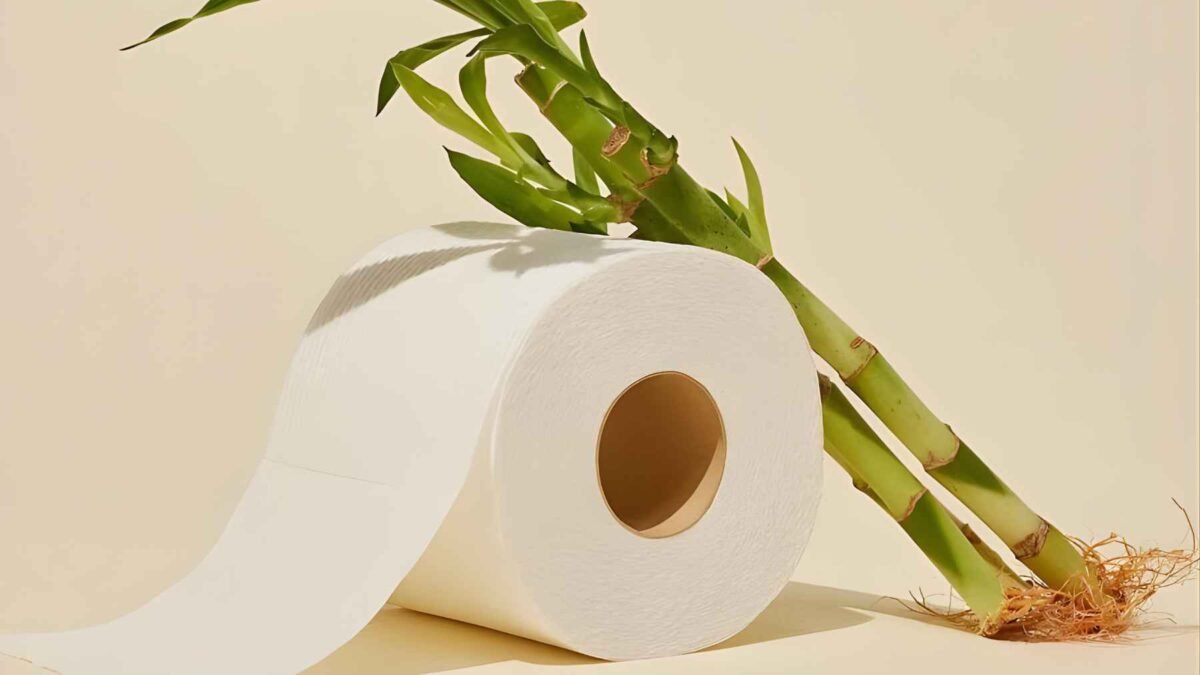
Picture a world where the familiar roll of toilet paper vanishes from your bathroom routine. Cutting-edge research shows that imported bamboo toilet paper can boost your carbon footprint more than locally produced wood-based varieties. Forward-thinking individuals globally are turning to bidets and water cleansing methods that cut down on waste, lower costs, and safeguard the planet.
These innovative changes are reshaping personal hygiene norms. With rising worries about deforestation, greenhouse gas emissions, and plumbing issues, sustainable toilet paper alternatives are gaining traction. Discover how accessible, superior options can transform your daily habits for the better.


Unveiling the Truth Behind Bamboo Toilet Paper Research
Researchers at North Carolina State University performed an in-depth life-cycle assessment (LCA) comparing bath tissue types. They analyzed U.S. standard toilet paper made from Brazilian eucalyptus and Canadian softwood against bamboo toilet paper produced in China and transported overseas.
The results stunned many. For every ton of traditional wood-based tissue, emissions total roughly 1,824 kilograms of CO2 equivalent throughout its lifecycle. Chinese bamboo toilet paper, however, generates about 2,400 kilograms—a 30% increase.
Even high-end, soft bamboo blends performed poorly due to intensive drying processes that hike energy demands. Metrics for smog formation and respiratory effects also favored conventional options.
Key Factors Driving the Environmental Disparity
Bamboo itself isn’t the villain; production realities are. Factories in China often rely on coal-powered electricity and fossil fuels for key steps like steaming and drying.
In contrast, North American mills use biomass, hydropower, and renewable sources, significantly reducing emissions. Simulations showed that cleaner energy could equalize bamboo’s footprint with wood products.
The lesson? Fiber source matters less than mill efficiency and drying technology. Here’s a breakdown:
- Energy sources: Coal-heavy grids versus renewables create the largest divide.
- Shipping distances: International transport piles on extra emissions.
- Processing efficiency: Advanced methods cut waste and energy consumption.
Marketing often highlights “tree-free” bamboo with lush imagery, but overlooks full lifecycle impacts. Shoppers need honest data to make informed choices.
Why Water-Based Solutions Are Revolutionizing Hygiene
The global toilet paper habit consumes vast forests, with U.S. residents leading per capita use. The American tissue market exceeds $50 billion yearly, so shifts here yield massive benefits.
Merely changing paper types, especially imports with high-energy production, falls short. Bamboo’s fast growth is undermined by logistics and dirty energy.
Proven alternatives from Asia and Europe—like bidets, washlet toilets, and handheld sprayers—employ water for effective mechanical cleaning, outperforming paper wiping.
Superior Advantages of Bidets and Water Sprayers
These tools integrate seamlessly with existing plumbing, often via simple DIY setups. A targeted water spray removes residue more thoroughly, minimizing skin irritation.
Follow with a light pat using reusable fabric or scant paper, drastically reducing rolls, cores, and wrappers headed to landfills. Portable bidets, such as squeeze bottles with nozzles, offer an easy entry point.
Health experts affirm their safety when using fresh water, promoting better hygiene without drawbacks.
The Plumbing Perils of Wet Wipes and Flushables
Many chase a “refreshing” sensation with wet wipes, but they spell disaster for sewers. So-called flushable wipes trigger clogs, equipment breakdowns, and expensive fixes.
These products, packed with synthetic nonwovens, defy disintegration despite labels. Wastewater pros document surges in blockages across Europe and North America.
Discard them in the trash instead. Exchanging one waste for a persistent one does little for sustainability. Consider these issues:
- Sewer disruptions: Widespread pipe failures and overflows.
- Decomposition delays: Plastics and fibers persist for years.
- Financial burden: Billions in annual repair expenses globally.
Practical Steps to Ditch Toilet Paper Dependency
Transitioning to greener habits starts small. Begin by selecting slimmer, basic toilet paper grades that require less production energy over luxury plush ones.
Favor local, certified, or recycled fibers to minimize transport emissions and support responsible forestry. The real game-changer? A bidet attachment or sprayer.
Upfront costs match mere months of paper buys, with ongoing savings from fewer purchases and environmental gains. Try these options:
- DIY mechanical bidets: Quick installs for lasting use.
- Portable bidets: Perfect for testing or travel.
- Reusable drying cloths: Eco-friendly final touch.
Question “tree-free” claims rigorously—request full lifecycle transparency. Publications like Cleaner Environmental Systems underscore that plants don’t ensure eco-superiority.
Reaping Long-Term Rewards from Sustainable Changes
These upgrades extend beyond carbon reductions. They alleviate plumbing stress, shrink household trash, and deliver fresher cleanliness sans endless rolls.
Countless users worldwide report enhanced comfort and savings. In sustainability-driven times, bathroom decisions carry weight—water cleans smarter, spends less, and preserves trees.
Flashy ads aside, prioritize verifiable data on energy, logistics, and resources. By curbing paper reliance and leveraging water, you fuel the eco-friendly bathrooms revolution.
Commit to the change now. Your infrastructure, budget, and Earth will reap the rewards for years to come.