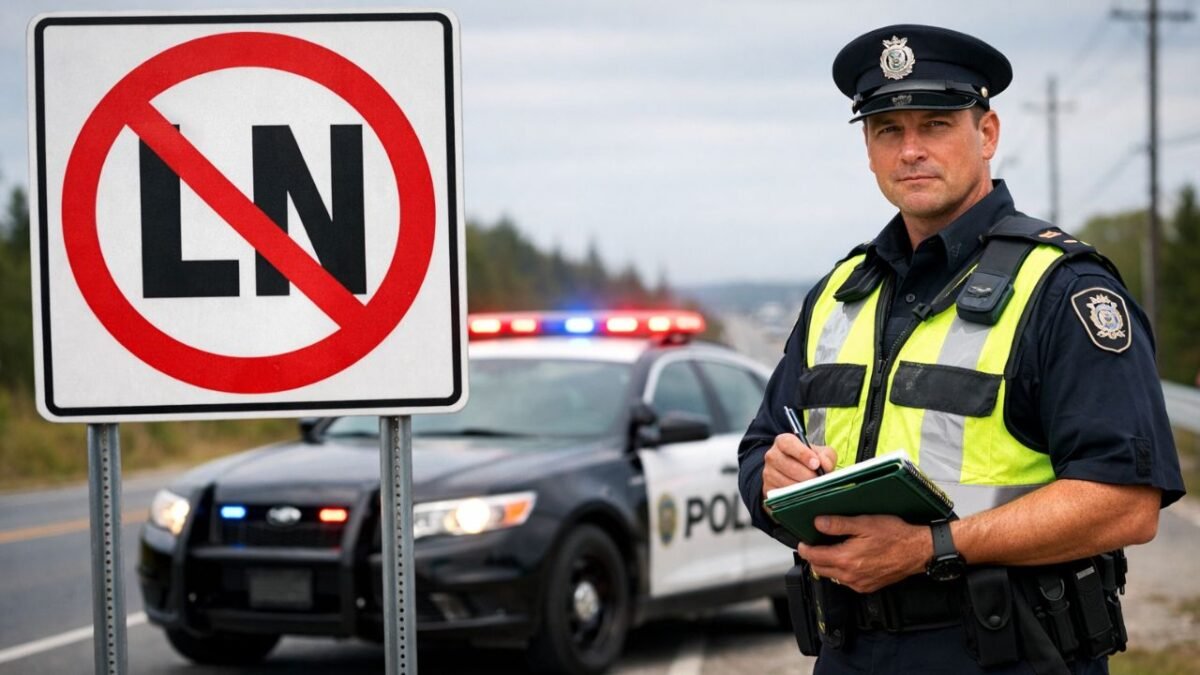
Canada’s roadways are on the cusp of a transformative shift with the 2026 driving laws revamping the Graduated Licensing Program (GLP). New drivers will encounter extended probation periods, fines soaring up to $1,000, swift license suspensions, and cutting-edge digital surveillance to enforce compliance nationwide. These stringent measures target high-risk behaviors among novice motorists, promoting safer driving from the outset and revolutionizing how parents guide teens toward responsible independence.
Farewell to Canada’s Lax Graduated Licensing Era



The existing graduated licensing rules in Canada have long offered brief probation phases, enabling quick advancement for beginners. Yet, this approach frequently resulted in persistent issues like excessive speeding and phone distractions, stemming from limited supervision.
From 2026 onward, all provinces will prolong learner phases and impose demanding evaluation stages. The focus shifts to practical, hazard-aware skills, backed by zero-tolerance policies that instill accountability right away.
Core Updates to Learner Mandates
- Extended hours of supervised on-road practice prior to full privileges.
- Rigorous standards for passing road examinations.
- Essential training on modern challenges, such as electric vehicle dynamics and intelligent traffic systems.
Real-time digital oversight tools will monitor adherence, eliminating loopholes and ensuring consistent enforcement across the probation timeline.
Escalated Penalties Defined by 2026 Driving Laws
Central to the 2026 driving laws are dramatically heightened repercussions for infractions. Even a first offense might incur a $1,000 fine alongside an immediate suspension, far exceeding prior caps.
For habitual violators, penalties intensify with requirements to redo licensing steps and attend specialized remedial programs. Officials highlight these driving penalties as vital deterrents, given young drivers’ elevated involvement in collisions.
Insurance companies are syncing with the reforms, scrutinizing records meticulously. Violations could trigger premium surges, layering economic incentives onto behavioral compliance.
Revamped Driver Education Requirements
Fresh mandates call for continuous refreshers on evolving road risks. Curriculum now covers adaptive cruise control failures, pedestrian alert tech, and navigation in semi-autonomous environments.
This forward-thinking strategy equips new drivers with proactive knowledge, curbing avoidable mishaps before they escalate.
Parents and guardians play a pivotal role, logging extensive mentoring to meet the prolonged supervision needs. Data from these sessions feeds into provincial systems, enabling precise progress tracking.
Family and Teen Impacts from the New GLP
Households readying adolescents for the road must embrace lengthier guided sessions under the updated GLP. Regular, tech-enabled assessments will occur, with data shared fluidly between regions.
Such oversight curbs mistakes in the vulnerable early stages, where lack of experience heightens perils. Though demanding more parental time, it builds enduring skills and averts crises.
Economic and Lifestyle Consequences
- Higher fines challenge household finances, particularly for novices.
- License halts disrupt employment or educational travel for youth.
- Insurers adjust rates dynamically, favoring clean slates over infractions.
These elements collectively safeguard communities, promising reduced crashes and associated public expenses.
Old System vs. 2026 Graduated Licensing Overhaul
Understanding the pivot requires contrasting legacy protocols with incoming standards. Here’s a clear comparison of Canada’s licensing progression:
| Rule Category | Old System | 2026 Update |
|---|---|---|
| Maximum Fine | Up to $500 | Up to $1,000 |
| Probation Period | Standard timeline | Extended supervision |
| Repeat Violations | Warning or minor penalty | Immediate suspension possible |
| Driver Education | Basic mandatory course | Updated mandatory training modules |
| Monitoring | Manual checks | Digital compliance tracking |
This matrix underscores the embrace of tech-driven precision, poised to yield superior safety metrics.
Broader Vision, Debates, and Preparation Strategies
The 2026 reforms embody Canada’s dedication to nurturing conscientious drivers via analytics and phased advancement. Long-term, they foster habits that endure beyond probation.
Detractors worry about overreach and family strain, yet advocates cite data forecasting sharp declines in incidents. Framing driving as a privilege demanding maturity reframes the cultural narrative.
Provinces launch outreach initiatives, including virtual practice tools and local sessions, to ease transitions. Early engagement ensures smooth adaptation to heightened standards.
Steering Toward a Safer Driving Future in Canada
As 2026 approaches, the enhanced Graduated Licensing Program promises fortified roadways for everyone. Demands for rigor yield immense benefits: diminished fatalities, skilled young motorists, and reliable infrastructure.
Commit to staying updated, honing practices rigorously, and upholding rules meticulously. Under these stricter road safety protocols, Canada’s driving landscape emerges more secure and promising for generations ahead.