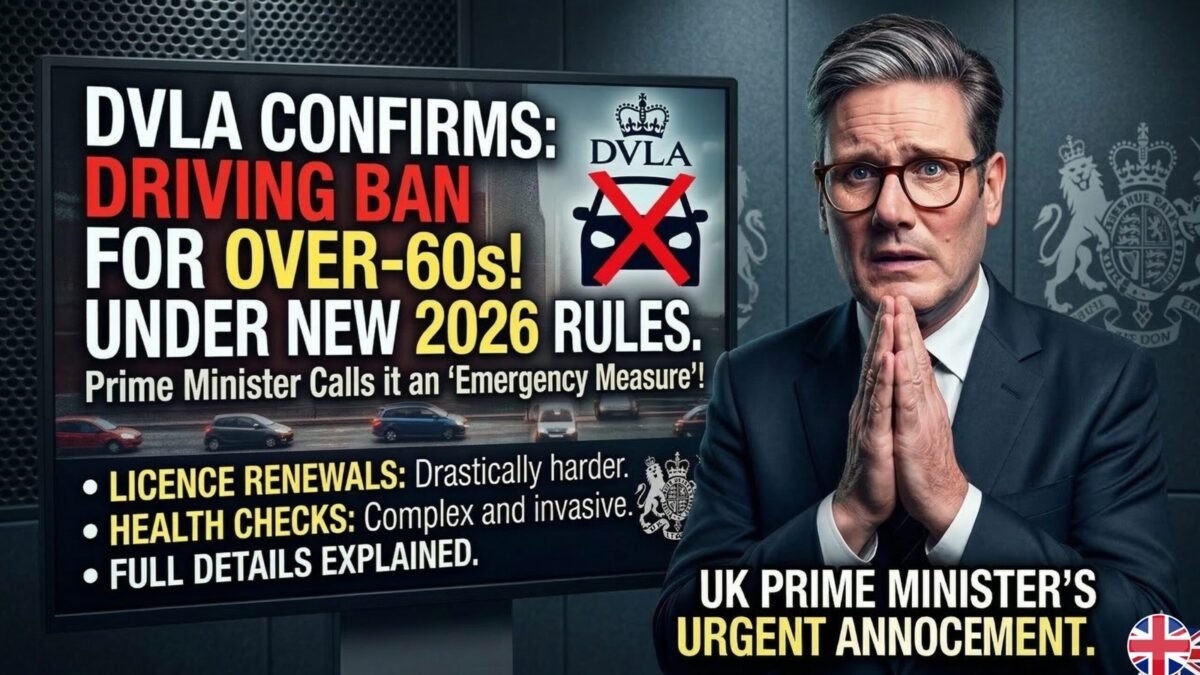
Recent social media buzz and alarming headlines have sparked panic among UK motorists over 60, claiming the DVLA will impose a strict driving ban starting in 2026. These stories paint a picture of lost independence for seniors, but much of it is exaggerated misinformation designed to grab attention. This comprehensive guide separates fact from fiction, empowering you with the latest on DVLA rules, renewal processes, and steps to maintain your license confidently.
Unpacking the Myth of a Blanket Driving Ban for Over-60s



There is no official driving ban targeting drivers simply because they turn 60. The DVLA evaluates fitness based on individual health, vision, and overall ability, not chronological age. Sensational claims often twist routine renewal procedures or proposed safety measures into something far more restrictive.
UK road safety laws apply uniformly across all ages, emphasizing competence behind the wheel. Data shows that drivers aged 60+ typically have fewer accidents than younger groups, thanks to their accumulated experience and prudent habits.
Why These Rumors Gain Traction Online
Social platforms thrive on shareable scares, especially when tied to government plans like the 2026 Road Safety Strategy. This strategy aims to modernize systems rather than restrict freedoms, focusing on tech improvements and voluntary checks.
- Streamlined digital license renewals for efficiency.
- Encouragement of optional safety assessments.
- Harmonization with broader safety standards, minus age-specific cutoffs.
Misinformation spreads fast, but sticking to verified sources prevents unnecessary worry for mature drivers.
Navigating Current DVLA Renewal Requirements for Seniors
Photocard licenses for those under 70 renew every 10 years, mainly to refresh your photo—no health checks involved. This keeps the process simple and aligned with all UK drivers.
Upon reaching 70, your license naturally expires, prompting a free renewal. The DVLA sends a D46P form roughly three months in advance, requiring a self-declaration of your health and eyesight status.
After the initial 70 renewal, subsequent ones occur every three years. This setup relies on honest self-reporting, with no mandatory driving test unless medical concerns arise.
Prioritizing Eye Health in Self-Assessments
You must confirm you can read a number plate from 20 meters away—a straightforward standard. Routine visits to an optometrist can catch issues early, smoothing your renewal path.
Proactive eye care not only meets DVLA criteria but also enhances everyday safety on the roads.
Key Updates in the 2026 Road Safety Strategy
As the UK population ages, consultations with experts like the College of Optometrists suggest refinements to ensure safer driving. A prominent idea is introducing mandatory eyesight tests for over-70 renewals, shifting from self-declaration to a verifiable check.
This isn’t a ban; it’s a practical evaluation that most pass easily, even with corrective lenses. Rollout by late 2026 is still in discussion, not set in stone.
Additional proposals include better integration of GP records with DVLA systems. This would speed up notifications for serious health flags, promoting transparency while respecting privacy.
Preserving Mobility While Enhancing Safety
Authorities recognize driving’s role in reducing isolation among seniors. Programs like Motability offer adapted vehicles, and assessments help manage mild conditions without full revocation.
Emerging technology solutions, such as automated health alerts, balance vigilance with personal rights, ensuring older drivers stay mobile.
Your Legal Responsibilities: Reporting Medical Conditions
Regardless of age, all drivers must inform the DVLA about conditions that could impair driving. Older adults may face more age-related risks, making disclosure essential.
Failure to report can lead to fines up to £1,000 or legal action after incidents. Decisions are case-by-case, based on medical evidence, not blanket policies.
- Insulin-treated diabetes requiring careful monitoring.
- Glaucoma or significant visual field loss.
- Cardiac conditions such as specific arrhythmias.
- Neurological issues including early Parkinson’s or dementia.
- Sleep apnea leading to excessive daytime fatigue.
Many applicants receive time-limited licenses (1-3 years) post-review, allowing continued driving with oversight.
Avoiding Scams Preying on Driver Fears
Fraudsters exploit ban rumors with phishing texts or emails demanding fees. The real DVLA doesn’t charge via unsolicited messages or issue threats without due process.
Always check GOV.UK for authentic updates. For personalized advice, speak to your doctor or optician instead of unverified posts.
Practical Tips to Stay Roadworthy and Confident
Consider voluntary advanced driving courses from organizations like RoSPA or IAM RoadSmart. These tailored sessions for mature drivers sharpen skills, may lower insurance premiums, and pose no risk to your license.
Maintain biennial eye examinations and track health changes diligently. Adopting these habits early ensures seamless transitions at key milestones like age 70.
Insurers often reward 60+ drivers with competitive rates due to their low-risk profiles—think fewer night outings or adverse weather trips. This economic edge underscores their value to society, from employment to community involvement.
The Broader Impact of Senior Mobility
The “silver economy” relies on over-60s’ spending power and contributions. Curtailing their driving arbitrarily would strain public services and personal lives unnecessarily.
Your seasoned judgment makes you a safer road user—embrace it with preparation.
Conclusion: Drive Forward with Facts and Preparation
The DVLA 2026 rules introduce no driving ban for over-60s, prioritizing health checks and honesty over age discrimination. From triennial renewals at 70 to potential eyesight verifications, the focus is on capability, not calendars.
- No restrictions at 60—fitness rules the road.
- Free, simple renewals every three years post-70.
- Eye test ideas in consultation, accessible for most.
- Timely condition reporting avoids harsh penalties.
- Voluntary training and tech extend safe driving years.
By relying on official channels, nurturing wellness, and leveraging experience, you can preserve your independence far into retirement. Don’t let myths derail your journey—stay informed, stay safe, and keep enjoying the open road.