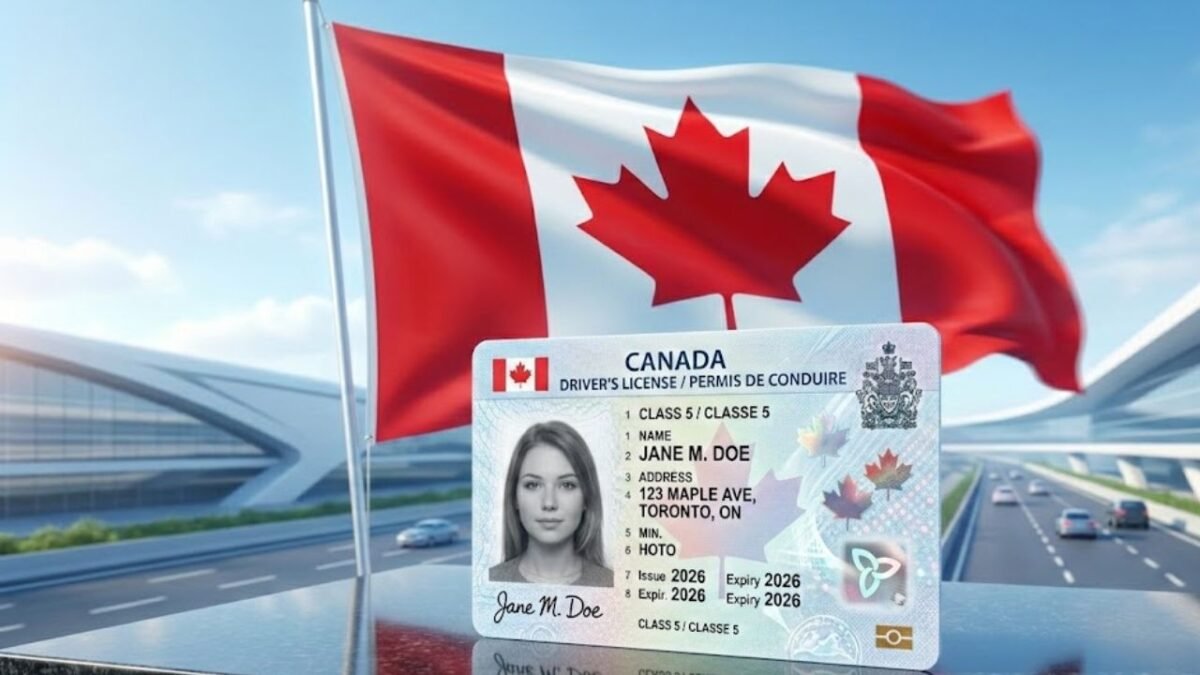
Canada’s road safety landscape is on the cusp of a transformative shift as provinces unite to dismantle the outdated graduated licensing system by 2026. This major driving law overhaul promises fewer bureaucratic hurdles, more practical testing, and enhanced safety measures tailored to modern driving challenges. For new drivers, especially teens and novices, these changes mean quicker paths to independence without compromising skills or accountability.
The momentum builds as lawmakers prioritize efficiency, addressing long-criticized issues like interprovincial confusion and prolonged wait times. Officials emphasize that while the core goal remains producing confident, safe drivers, the new framework cuts red tape to better serve a mobile population. Stay ahead of the curve by understanding how this nationwide reform will reshape licensing across the country.


Key Driving Law Reforms: Phasing Out Graduated Licensing in 2026
The traditional multi-stage learner-to-full license journey, riddled with delays, is getting a complete redesign. Provinces have voiced frustrations over how the old graduated licensing rules hindered families relocating between regions, creating a patchwork of inconsistent requirements.
Under the revamped system, aspiring drivers can demonstrate competencies faster through simplified tests. Regulators are introducing uniform provincial standards to eliminate surprises, ensuring seamless transitions no matter where you live in Canada.
Crucially, a mandatory minimum of supervised practice hours stays in place. This guarantees hands-on experience before solo driving, blending accessibility with rigorous preparation.
- Streamlined pathway: Reduces multiple temporary levels to organized, fewer steps.
- Interprovincial harmony: Ends varying prerequisites for easier moves.
- Focus on skills: Emphasizes practical road tests over paperwork.
These reforms reflect years of data showing the old model often overwhelmed novices rather than empowering them. By 2026, expect a licensing process that’s intuitive and effective.
New Requirements Under Canada’s 2026 Driving Law for Learners
Novice drivers won’t lose essential training; instead, it’ll be more targeted and efficient. The updated policies mandate a structured education pathway, including compulsory safety courses that cover critical topics.
Exams now simulate real-world scenarios like navigating snowy roads, dense city traffic, and high-speed highways. This practical approach ensures drivers are ready for Canada’s diverse conditions from day one.
A groundbreaking addition is the national driver record system, tracking violations across borders for better enforcement. While restrictions such as nighttime curfews and passenger limits persist initially, their duration shortens, accelerating full privileges.
Core Elements of the Learner Phase
- Safety courses: Mandatory online and in-person modules.
- Practice hours: Minimum supervised driving time unchanged.
- Testing upgrades: Scenario-based assessments replace rote checks.
The goal? Fewer administrative roadblocks, producing drivers who are both skilled and aware. Early adopters in pilot provinces report higher pass rates and confidence levels.
How Experienced Drivers Will Feel the Impact of the Reforms
Current license holders breathe easy—no retesting required. Yet, the 2026 driving law overhaul ripples through their world via broader road safety modernization efforts.
Governments are refreshing penalties for violations, updating training resources, and introducing digital renewal systems. Clearer renewal reminders via apps and emails will slash missed deadlines, keeping more drivers compliant effortlessly.
Public campaigns target emerging risks, like distracted driving from smartphones and EVs. Insurers anticipate tweaking risk-based premiums to reward safe habits, potentially lowering costs for low-risk veterans.
Overall, seasoned drivers gain from nationwide consistency. Whether commuting in Toronto or rural Alberta, expect uniform rules that simplify life on the road.
Broad Implications and Benefits of the Nationwide Reform
This overhaul signals a pivot to efficiency amid evolving traffic dynamics. Policymakers address contemporary realities—think GPS navigation, electric vehicles, and urban growth—crafting a system fit for the future.
Anticipate fewer administrative delays and faster processing times, prioritizing education over endless forms. Interprovincial mobility improves dramatically, letting workers relocate without relicensing hassles.
Old vs. New System: A Quick Comparison
| Feature | Old System | 2026 Reform |
|---|---|---|
| License Stages | Several temporary levels | Fewer organized steps |
| Road Testing | Basic exam focus | Real-world conditions |
| Provincial Transfer | Various prerequisites | Unified recognition |
| Driver Tracking | Local records | National database |
| Safety Training | Optional courses | Mandatory programs |
Combined with advanced data tools and enforcement, long-term road safety improvements are projected. Crash rates among novices could drop as skills sharpen earlier.
Preparing for the 2026 Changes: What Drivers Need to Know
As rollout approaches, staying informed is key. Provinces will phase in updates gradually, starting with high-volume areas like Ontario and British Columbia.
New drivers should enroll in approved courses early to lock in practice hours. Experienced ones can audit digital tools for renewals and brush up on tech-safety tips.
This reform isn’t just procedural—it’s a commitment to safer Canadian roads. By modernizing licensing, authorities foster a culture of responsibility that benefits everyone.
In summary, the end of old graduated licensing rules ushers in a brighter era for mobility and safety. Embrace the changes, hit the road prepared, and drive into 2026 with confidence. Canada’s drivers are set for smoother journeys ahead.