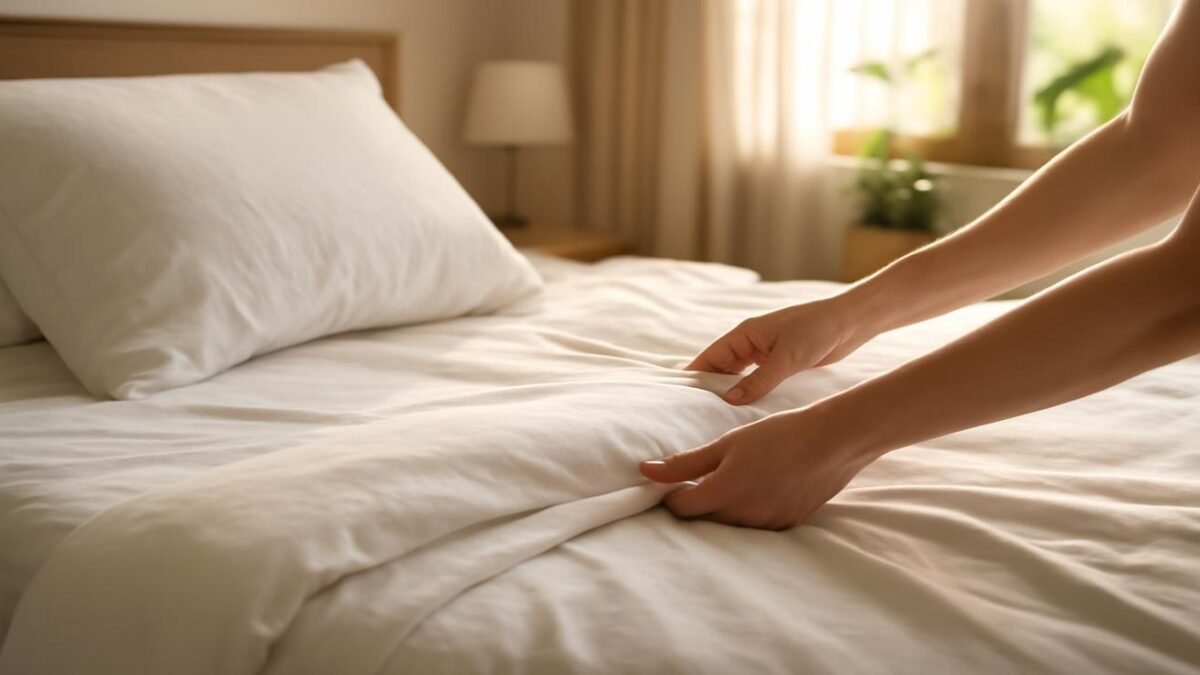
Imagine slipping under your covers and catching that faint, comforting aroma of warmth and rest. Yet, as your bed sheets lose their crisp feel, you wonder: how frequently should you really refresh them? The truth isn’t a strict weekly or biweekly mandate—it’s deeply tied to your habits, particularly if you shower at night, which can dramatically alter the ideal rhythm for cleaner, longer-lasting bedding.
Conventional wisdom insists on changing sheets every seven to 14 days, but this overlooks personal factors like bathing timing and daily sweat. By aligning your routine with your body’s natural output, you can maintain hygiene without excess laundry. Discover how a simple shift to evening showers transforms your sheet change schedule.


Debunking the Myth of Rigid Weekly Sheet Changes
The ritual of swapping bed sheets every Sunday feels ingrained, promising pristine sleep surfaces. However, this blanket rule fails to account for how much grime your skin transfers overnight, which varies wildly by lifestyle.
A night shower washes away daily pollutants, oils, and sweat before you hit the hay, minimizing what lands on your bedding. In contrast, morning showers leave a day’s worth of buildup to soak into the fabric during sleep, demanding more frequent washes.
This difference is backed by basic biology: cleaner skin at bedtime means slower accumulation of bacteria and debris. Embracing this personalization leads to efficient, effective hygiene routines tailored just for you.
Unlocking the Secrets of Your Bed’s Ecosystem
Your bed isn’t just a sleep spot—it’s a thriving hub of skin cells, oils, moisture, and microscopic life like dust mites. These elements naturally build up over hours of rest, but smart habits can keep them in check.
Opting for a night shower acts like a preemptive cleanse, removing external dirt and body residues. This reduces the fuel for mite growth and bacterial proliferation, preserving sheet freshness longer.
Morning bathers face the opposite: unwashed residues ferment overnight, hastening fabric degradation. Add variables like room humidity or pet hair, and the ecosystem tilts toward quicker refreshes.
Key Factors Influencing Buildup
- Sweat production from exercise or climate
- Skin type—oily complexions shed more sebum
- Bedroom allergens like pollen or dust
Why Night Showers Revolutionize Sheet Longevity
Visualize the contrast: after a thorough evening rinse and fresh pajamas, your body contacts sheets with minimal contaminants. This scenario supports bed sheet changes every two to three weeks without hygiene risks.
Morning shower users, however, carry commute grime or makeup remnants to bed, necessitating weekly cycles to avoid odors or skin issues. Shower timing isn’t trivial—it’s the cornerstone of an optimized routine.
Seasonal shifts amplify this: winter’s lower sweat levels let night shower fans stretch intervals even further, up to a month in ideal conditions.
Personalizing Your Sheet Change Schedule
Ditch the calendar in favor of your senses—sniff for mustiness, feel for oiliness, or spot discoloration. These cues outperform generic timelines for deciding when to change sheets.
Night shower practitioners often excel with biweekly or triweekly washes, particularly without pets or heavy perspiration. Fine-tune based on your unique signals for peak comfort.
Here’s a practical guide matched to common lifestyles:
- Night shower + clean sleepwear + low activity: Every 2-3 weeks
- Night shower with light bed lounging: Every 10-14 days
- Morning shower + daytime attire in bed: Every 7-10 days
- Pets sharing the bed or high sweat: Every 5-7 days
- Cool weather night routine: Every 3-4 weeks
Reassess quarterly, as life changes demand adjustments. This flexible approach saves time while safeguarding health.
Can You Really Go a Month Between Sheet Changes?
Monthly sheet changes spark debate, but they’re realistic for strict night shower adherents in dry, low-sweat environments. Entering bed pristine curbs bacterial surges and pest issues effectively.
Perks extend beyond convenience: conserve water, reduce detergent exposure for sensitive skin, and simplify chores. It’s strategic maintenance, not laziness.
Stay vigilant—if itches, scents, or stains emerge, revert to shorter cycles. Customization ensures benefits without drawbacks.
Daily Habits to Maximize Sheet Freshness
Boost intervals with simple rituals, starting with morning bed airing to evaporate trapped moisture and deter mold.
Rotate pillowcases weekly, as they capture facial oils and drool rapidly. Dedicate pajamas strictly for post-shower bed use to block street germs.
Treat your bed as sacred—no eating, shoes, or work clothes. These habits synergize, extending sheet life effortlessly.
Bonus Maintenance Tips
- Wash in hot water weekly for allergy sufferers
- Use hypoallergenic covers for mite protection
- Vacuum mattress monthly
Reading Your Body’s Cues for Optimal Hygiene
Listen closely: flare-ups signal more frequent sheet hygiene needs, while clear skin allows leniency. Even night shower pros might crave weekly crispness for mental reset.
Balance effort with wellness—prioritize what enhances your rest. This intuitive method fosters sustainable sleep hygiene.
Embrace a Tailored Approach to Bedding Care
Transform your bed into a true haven by syncing habits with reality, not rules. Night showers unlock freedom in changing sheets, promoting hygiene that fits seamlessly.
Superior freshness elevates sleep depth, daily energy, and even complexion. Test variations boldly—your perfect rhythm awaits discovery.
In essence, masterful sheet hygiene mirrors your life: thoughtful, adaptive, and rewarding. With these insights, revel in prolonged freshness, restorative slumber, and laundry peace.