
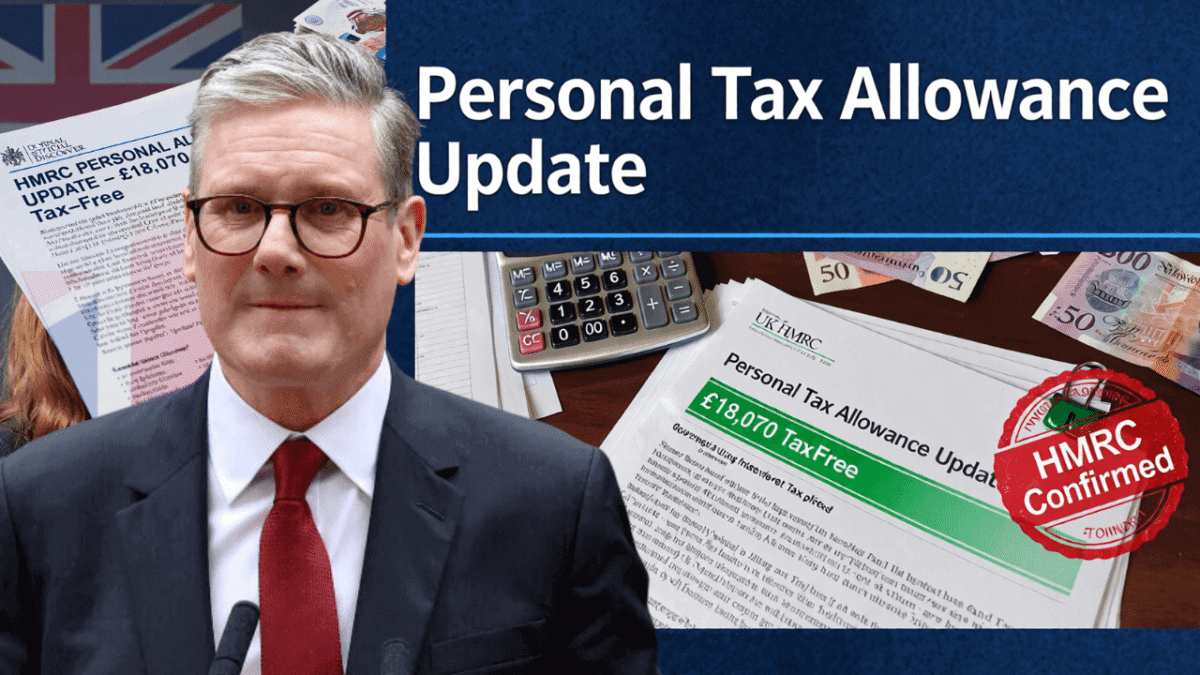
UK savers and retirees are buzzing over the latest from HMRC, which highlights a game-changing opportunity to enjoy up to £18,570 tax-free income. This isn’t a new policy but a smart stacking of existing rules, perfect for those with limited earned income and growing savings interest. In 2026, with interest rates holding strong, mastering these protections means shielding more of your money from Income Tax.
This guide dives deep into the mechanics, eligibility, and strategies to maximize your tax-free threshold. Whether you’re a pensioner or part-time worker, these insights can transform how you manage savings amid rising yields.

Grasping the Basics of the Personal Allowance
The Personal Allowance is the cornerstone of UK tax relief, letting you earn up to £12,570 annually without Income Tax. It covers diverse sources, giving everyday people a vital buffer against taxation.
This allowance applies broadly, protecting funds needed for essentials.
- Earnings from jobs or self-employment
- Pension income, including state and private
- Rental profits from properties
- Other taxable earnings
Crucially, savings interest follows distinct rules, potentially expanding your tax-free envelope far beyond this base when paired right.
Special Tax Breaks for Savings Income
Savings income, like interest from accounts, bonds, or societies, gets tailored HMRC perks. These encourage saving habits, especially now when rates boost returns significantly.
If your non-savings income dips below the Personal Allowance, extra space opens for interest to flow in tax-free. This setup rewards conservative financial planning.
Retirees often benefit most, as modest pensions leave room for interest to thrive untaxed.
Stacking Key Allowances for Maximum Protection
Three powerhouse allowances shield savings interest: the Personal Allowance, Starting Rate for Savings, and Personal Savings Allowance. Low non-savings income lets them combine for up to £18,570 tax-free.
This layered approach shines for those not maxing out their Personal Allowance solely on wages or pensions. It’s a hidden gem in the tax code.
How the Starting Rate for Savings Operates
The Starting Rate for Savings offers £5,000 tax-free on interest, but only if non-savings income stays under £12,570. It shrinks by £1 per £1 over that limit.
Pensioners near this edge can claim the full rate, converting high street bank yields into pure profit.
Planning around this ensures every penny of interest counts toward your financial goals.
Unpacking the Personal Savings Allowance
Basic-rate taxpayers snag a £1,000 Personal Savings Allowance on interest, higher-rate get £500, and top earners none. It stacks atop other bands seamlessly.
For average savers, this keeps most returns untouched by tax, bolstering long-term security.
Unlocking the Full £18,570 Tax-Free Potential
Hit £18,570 tax-free by summing £12,570 Personal Allowance + full £5,000 Starting Rate = £17,570, plus £1,000 Personal Savings Allowance. Low non-savings income is key to activation.
Excess non-savings erodes the Starting Rate, so income balance dictates success. Profile your setup carefully for peak benefits.
Prime Beneficiaries of These Tax Rules
Certain profiles reap the biggest rewards from subdued non-savings streams.
- Pensioners on State Pensions mainly
- Owners of modest private pensions
- Part-time workers padding with savings
- Lifestyle funders via interest alone
Strategically tune pensions and savings to stay within bounds, preserving your wealth intact.
Practical Examples in Action
Picture Margaret, retiree with £11,800 pension—plenty of Personal Allowance left. Her £4,200 interest slips fully tax-free.
Contrast David: £14,000 pension clips his Starting Rate. Just some of his £3,000 interest dodges tax, proving mix matters.
These cases show minimizing non-savings unlocks full power. Tweak yours for similar wins.
In 2026, elevated rates amplify this: a 4% yield on £100,000 savings yields £4,000 interest, often fully protected.
2026 Challenges with Surging Interest Rates
Recent rate surges turn sleepy savings into tax contenders. Yields once trivial now nudge thresholds, demanding vigilance.
HMRC gets bank data automatically, triggering code tweaks or notices. Proactive pensioners stay ahead.
Monitor projections yearly to sidestep surprises and sustain tax-free status.
Supercharge with ISAs for Ultimate Freedom
ISAs bypass all this entirely—interest and gains fully tax-free, no allowance hits. Ideal for simplicity.
Shift non-ISA funds strategically; annual limits allow steady builds. Perfect complement in high-rate 2026.
Combine ISAs with allowances for hybrid, ironclad protection.
Avoiding Traps and Ensuring Compliance
Banks flag interest to HMRC, prompting easy fixes if over. Dodge myths like universal £18,570 access—low non-savings is essential.
High earners miss Starting Rate; know your band.
Quick Steps to Assess Your Position
- Tally non-savings income precisely
- Forecast savings interest yearly
- Pinpoint your tax bracket
- Gauge Starting Rate leftover
- Consult tools or advisors
Annual checks keep you optimized and stress-free.
Conclusion: Maximize Your Tax-Free Savings Edge
HMRC‘s allowance stack delivers up to £18,570 tax-free for qualifiers—a 2026 lifeline amid juicy rates. Pensioners, part-timers, and low earners thrive by keeping non-savings lean.
Prioritize ISAs, track income blends, audit routinely, and seek tailored advice. This preserves and grows your nest egg effortlessly.
Act today: review statements, project yields, and align strategies. Secure your financial future with these proven UK tax tactics—your savings will thank you.