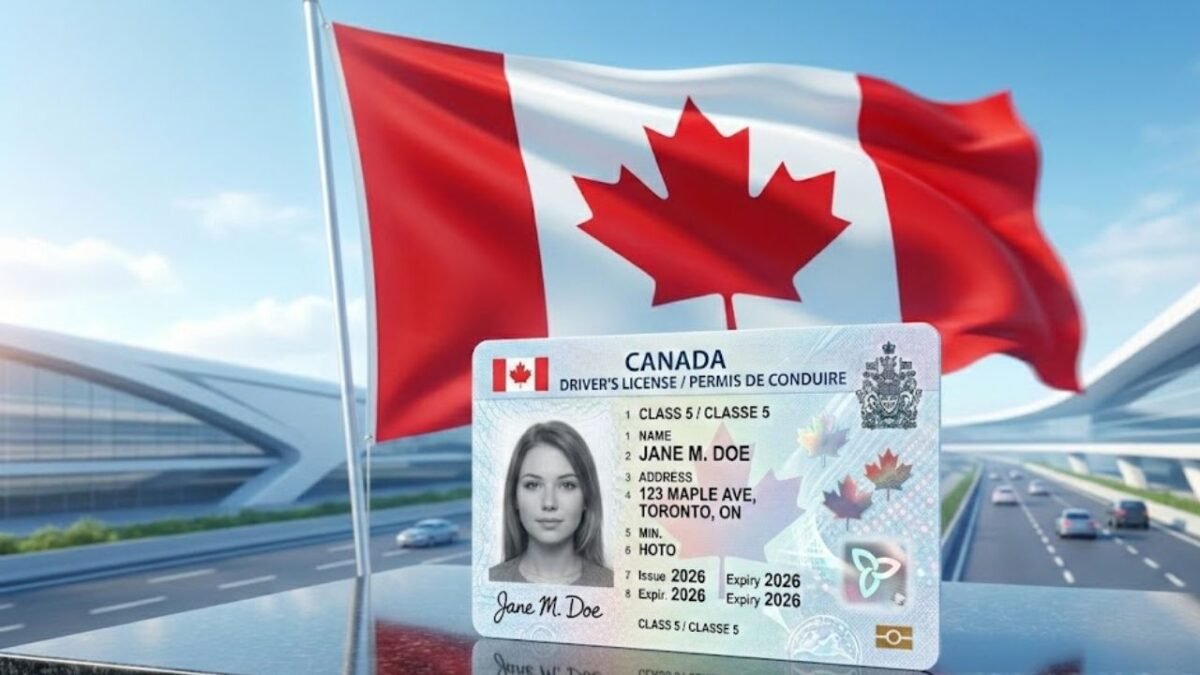
Canada’s roads are set for a game-changing update as provinces align to scrap the cumbersome graduated licensing system. The 2026 driving law overhaul introduces a streamlined approach to licensing, cutting red tape while ramping up focus on new driver safety. This nationwide push promises quicker paths to the wheel for learners, smoother transitions for movers, and smarter safeguards for everyone on the road.
Long criticized for its complexity and inconsistencies across borders, the old system often frustrated families and delayed competent drivers. Now, with modern assessments and unified standards, the reforms aim to match today’s fast-paced traffic realities—from urban congestion to winter hazards. Drivers nationwide should gear up for these efficiency-boosting changes that prioritize real skills over endless paperwork.



Key Reforms Shaping Canada’s 2026 Driving Laws
The core of the 2026 driving law overhaul lies in dismantling multi-tiered graduated licensing, replacing it with a leaner progression model. Gone are the prolonged provisional phases that bogged down new drivers; instead, expect concise steps backed by practical evaluations.
Provincial leaders are harmonizing rules to eliminate headaches for those relocating between regions. This means no more restarting the licensing clock when crossing borders, fostering a truly national framework.
Key benefits include faster processing times and competency-based advancements, all while embedding essential safety training from the start.
- Fewer licensing stages: Streamlined from layers of restrictions to focused progression paths.
- Standardized nationwide testing: Uniform criteria to avoid interprovincial surprises.
- Required supervised practice: Builds confidence through hands-on road time before solo drives.
These updates draw on extensive safety data, tailoring the system to reduce novice errors and enhance overall road confidence.
New Standards for Learner and Novice Drivers in 2026
Novice drivers will embrace a revamped training regimen under the 2026 driving law overhaul, featuring a unified curriculum over scattered stages. Compulsory courses now zero in on defensive tactics suited to Canada’s diverse conditions, from snowy highways to city grids.
Road exams evolve to test genuine scenarios like night driving, merging in heavy traffic, and handling adverse weather. This shift moves beyond theory, equipping beginners with lifelong defensive skills.
A standout feature is the national driver record system, monitoring infractions province-wide for heightened accountability. Initial limits on passengers and nighttime hours persist but shorten, speeding up full independence.
Essential Components of the Updated Learner Pathway
- Defensive driving modules: Core training on hazard avoidance and vehicle control.
- Fixed supervised hours: Minimum real-world practice to hone instincts.
- Practical simulations: Tests mimicking ice, crowds, and low visibility.
This approach empowers learners to graduate faster, ready for Canada’s challenging roads with proven expertise.
By emphasizing practical readiness, the reforms address past gaps where rote learning fell short against everyday risks.
How the Overhaul Affects Seasoned Drivers
Experienced license holders dodge re-exams, but the 2026 driving law overhaul touches their world through sweeping road safety modernization. Penalty systems get refined, renewals digitize, and resources update for current threats like smartphone distractions.
Apps and emails deliver timely renewal reminders, lifting compliance and cutting lapses. Awareness drives target tech-induced hazards and new vehicle features, keeping veterans sharp.
Insurers respond with risk-based premium models, slashing costs for safe records and clear rules. Travel and moves become hassle-free with consistent national guidelines.
From commuters to truckers, these tweaks cultivate ongoing safety habits, elevating road culture for all.
Old System vs. 2026 Reforms: A Clear Comparison
The 2026 driving law overhaul marks a leap from bureaucratic drag to agile efficiency. It tackles modern traffic realities like EVs, GPS reliance, and denser cities, slashing delays and boosting mobility.
Workers and families win big with seamless provincial shifts, no more process resets. Data-driven tracking promises drops in crashes, especially among rookies, via smarter enforcement.
| Feature | Old System | 2026 Reforms |
|---|---|---|
| License Stages | Several temporary levels | Fewer, organized steps |
| Road Tests | Basic evaluations | Real-world conditions |
| Provincial Transfers | Varying requirements | Unified recognition |
| Driver Tracking | Local records | National database |
| Safety Training | Optional courses | Mandatory programs |
This side-by-side highlights the reforms’ emphasis on uniformity and relevance, redefining driver readiness.
Why the 2026 Overhaul is Vital for Canada’s Road Future
The 2026 driving law overhaul catapults Canada ahead in proactive road safety amid automation and demographic shifts. It syncs licensing with tomorrow’s vehicles and lifestyles, ensuring adaptability.
Families thrive with easier teen licensing and relocations; businesses tap skilled talent pools quicker. Agencies gain from shared data, streamlining oversight.
Ultimately, these changes fuse accessibility with ironclad standards, curbing fatalities and frustrations. As rollout looms, informed drivers will navigate seamlessly.
Canada’s roads enter a safer, simpler era in 2026. Learners gain swift skills, veterans enjoy perks, and all share reduced risks— a milestone for national mobility.